
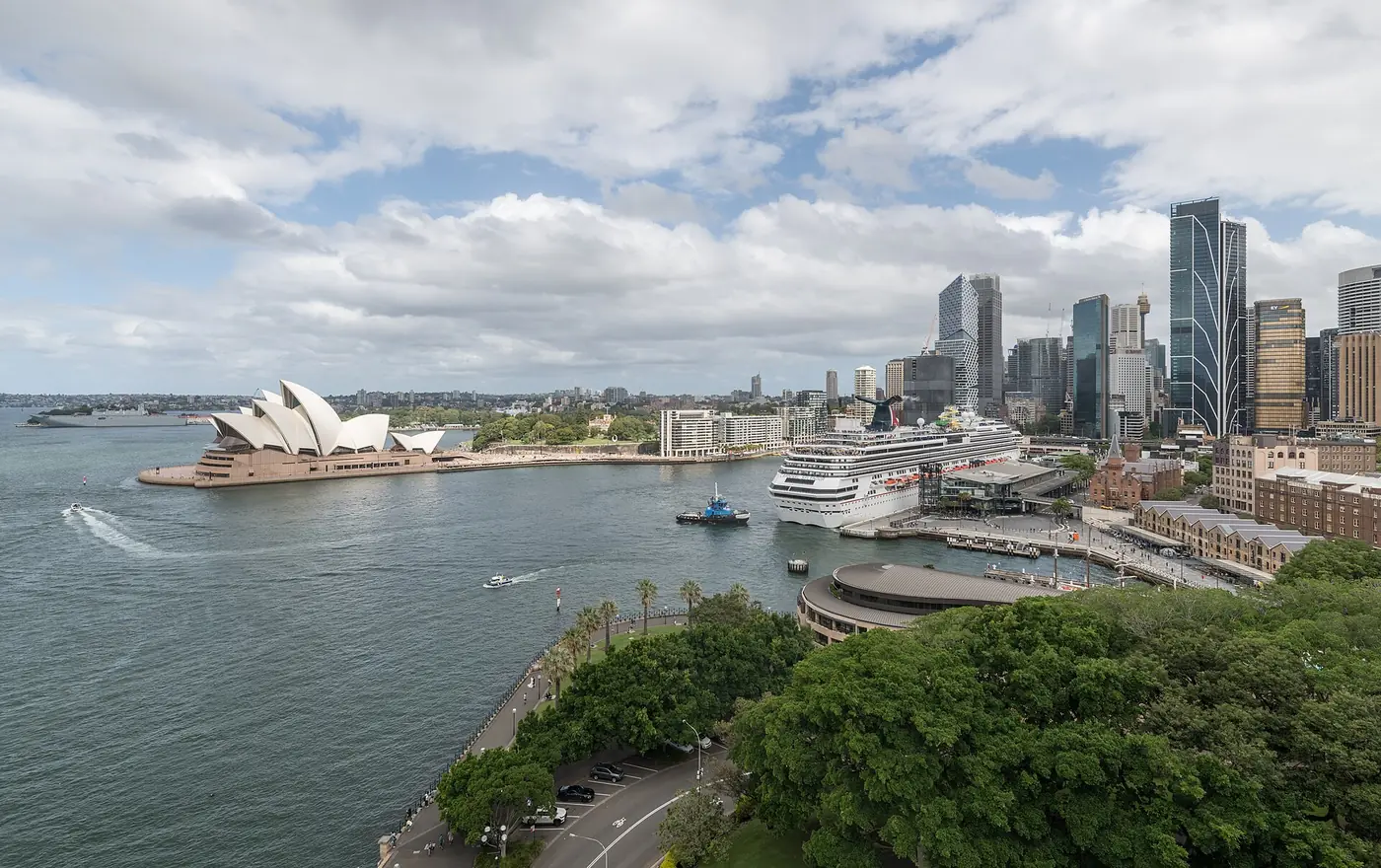
Studying in Australia costs tuition, living expenses, accommodation, overseas student health cover, flights, visa fees and a safety buffer. Exact amounts vary by state, city, university and major, so build a year-by-year budget from each university's official figures.
Table of contents
What cost groups should you plan for?
Many families compare options by tuition alone. In practice, an Australian study budget is easier to manage when split into these groups:
- Tuition: varies by university, major (business, engineering, medicine…) and level of study.
- Living expenses: food, transport, phone and personal spending; noticeably different between big and smaller cities.
- Accommodation: student residences, shared rentals or homestay, usually the largest cost after tuition.
- Overseas Student Health Cover (OSHC): required for the whole study period under a student visa.
- Flights, visa fees and health checks: one-off costs that should be counted from the start.
- Buffer: books, equipment, exchange-rate movements and unexpected needs.
How to build a year-by-year budget
- Take the official tuition for year one and ask the university whether it may change in later years.
- Estimate living costs for the city you will live in, using guidance from the university and the immigration authority.
- Add one-off costs (flights, visa, insurance) to year one.
- Include a buffer so you do not have to rework the plan midway.
How can you reduce costs?
Compare several universities in the same field, look into merit-based and field-specific scholarships, and consider cities with more reasonable living costs. An early consultation helps you avoid choosing a school for its name and exceeding what your family can afford.
Note: fees and visa rules change over time; always check the university website and the Australian Department of Home Affairs before deciding. See more about studying in Australia.
The main cost groups
- Tuition: varies by university, major and level; see the official fee page of each university.
- Living costs: housing, food, transport, phone, internet and personal spending; depends on the city you choose.
- Overseas Student Health Cover (OSHC): required when applying for an Australian student visa.
- Visa and other fees: application fees, health checks, translation and notarization.
- Flights and set-up costs: housing deposit and essentials when you first arrive.
How to build a realistic budget
Calculate per academic year rather than looking only at tuition, and add a contingency for unexpected costs. Compare costs between cities, since housing differences can be large. Build a projected monthly income-and-expense table so you know how much the family needs to prepare each term.
Scholarships and part-time work
Many Australian universities offer scholarships for international students. A student visa allows part-time work within limited hours, and these rules can change, so check the latest information from the Australian Department of Home Affairs. Do not treat part-time income as the main source for paying tuition.
Proving finances
When applying for a visa, you need to show sufficient financial capacity under current rules. Prepare clear, lawful and consistent documents on the source of funds.
Want a pathway that fits your profile? Book a FREE 1:1 consultation (30 minutes, online) with a Nexus-Edu mentor.
Key takeaways
- Split your budget into tuition, living, accommodation, insurance, one-off costs and a buffer.
- Costs vary by city, university and major.
- Always verify figures against official university and immigration sources.
Frequently asked questions
Yes. A student visa application usually requires evidence that you can pay tuition and living costs. The exact requirements are set by the Australian immigration authority and may change, so check the latest information.
A student visa usually allows part-time work within a set number of hours, but it should not be treated as the main source of funds for your studies.
No. Besides tuition there are living costs, OSHC, visa fees, flights and set-up costs; build a total budget for the whole year.
No. Housing and transport in big cities are usually higher than in smaller or regional cities.
Related articles

Winning a Full Scholarship: 7 Steps to Build Your Application from a Scholarship Alumni Mentor
Full scholarships are highly competitive but not out of reach. Seven steps to build a standout application, from direction to…

Study Abroad Scholarships: Common Types and How to Prepare Your Application
Learn about the common types of scholarships and the principles of preparing an application to improve your chances of receiving…

IELTS for Study Abroad: What Score Do You Need and How to Prepare
IELTS requirements differ by school and major. Learn how to set a target score and build an effective preparation plan for your…